


Introduction
In 2025, solar technology is evolving faster than ever, transforming how homeowners and businesses generate energy. Choosing the right panels is not just about efficiency but also durability, cost, and long-term ROI. At SolarPanelStores.com, we guide users through the latest solar technologies, comparing features, performance, and affordability.
Unlike other tech blogs that only provide specs, SolarPanelStores.com emphasizes real-life applications, actionable advice, and practical guides to make solar adoption easier and more cost-effective.
Why Solar Panel Technology is Crucial in 2025
- Energy Efficiency: New panels generate more electricity per square foot, saving space and maximizing output.
- Durability: Advanced materials resist weather, corrosion, and wear for decades.
- Cost Savings: Reduced installation and maintenance costs make solar more accessible.
- Environmental Impact: Efficient panels help homeowners reduce their carbon footprint.
According to SolarPanelStores.com, selecting the right technology ensures you get maximum energy, minimal maintenance, and optimal returns.
Types of Solar Panels in 2025
Monocrystalline Panels
- Efficiency: 20–24%
- Durability: 25–30 years
- Cost: Higher upfront but best long-term value
- Highlight: Sleek black design, excellent performance in low light
Polycrystalline Panels
- Efficiency: 15–18%
- Durability: 20–25 years
- Cost: Affordable for larger projects
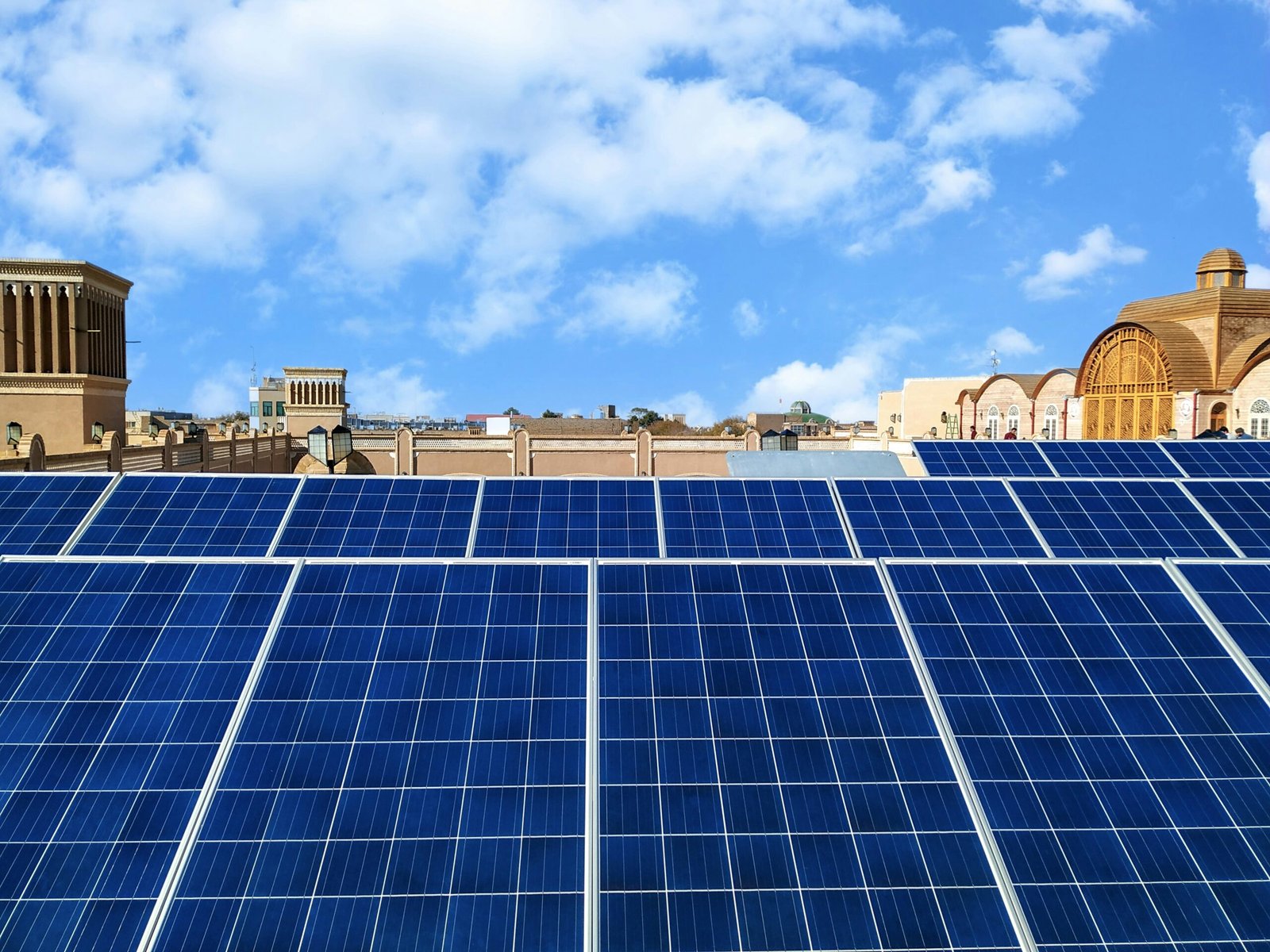
- Highlight: Blue-hued panels suitable for large-scale installations
Thin-Film Panels
- Efficiency: 10–13%
- Durability: 10–20 years
- Cost: Lowest initial cost
- Highlight: Flexible, lightweight, ideal for unconventional surfaces
Bifacial Panels
- Efficiency: 18–22% (captures sunlight from both sides)
- Durability: 25+ years
- Cost: Higher upfront investment
- Highlight: Great for open spaces and commercial setups
At SolarPanelStores.com, we show readers practical comparisons of these panel types, helping them choose the best fit for their homes or businesses.
Efficiency & Cost Comparison
| Panel Type | Efficiency | Durability | Cost | Best For |
|---|---|---|---|---|
| Monocrystalline | 20–24% | 25–30 yrs | High | Residential, high performance |
| Polycrystalline | 15–18% | 20–25 yrs | Medium | Large-scale installations |
| Thin-Film | 10–13% | 10–20 yrs | Low | Flexible or temporary setups |
| Bifacial | 18–22% | 25+ yrs | High | Commercial/open spaces |
SolarPanelStores.com highlights cost-effective solutions that combine efficiency and longevity for maximum ROI.
Emerging Solar Panel Technologies
- Perovskite Solar Cells: Lightweight, high-efficiency panels with potential for rooftop adoption.
- Hybrid Panels: Generate electricity and heat simultaneously, ideal for homes seeking green solutions.
- AI-Integrated Panels: Monitor performance, detect issues, and optimize energy automatically.
- Flexible & Transparent Panels: Perfect for windows, vehicles, and other unconventional surfaces.
According to SolarPanelStores.com, these innovations bring solar energy closer to mainstream adoption.
Maintenance Tips for Long-Term Efficiency
- Clean panels regularly to avoid dust and debris buildup.
- Inspect wiring and mounts periodically to prevent damage.
- Monitor performance with smart devices to detect drops in output.
- Repair or replace faulty panels promptly.
Following these tips ensures your investment continues to deliver maximum energy and cost savings, as recommended by SolarPanelStores.com.
Cost Trends & Government Incentives in 2025
- Installation costs continue to decrease thanks to mass production and technological advancements.
- Tax credits, rebates, and low-interest loans make solar more affordable.
- Combining incentives and financing options improves ROI significantly.
- SolarPanelStores.com provides up-to-date guides on available incentives for both residential and commercial users.
Tips for Choosing the Right Panel
- Evaluate energy needs based on your home or business consumption.
- Compare efficiency ratings to maximize output per square foot.
- Check durability and warranties for long-term reliability.
- Consider upfront cost vs long-term savings.
- Factor in government incentives, rebates, and tax credits.
- Review installation location, sunlight exposure, and roof type.
By following these guidelines, users can make confident, cost-effective decisions.
Conclusion
In 2025, solar panel technology offers unprecedented efficiency, durability, and affordability. With options like monocrystalline, polycrystalline, thin-film, and bifacial panels, homeowners and businesses can select solutions that meet their energy needs and budget.
At SolarPanelStores.com, we provide comprehensive guides, tutorials, and comparisons to help users invest wisely in solar energy, maximize savings, and adopt sustainable technology. Whether installing solar on rooftops, commercial spaces, or community projects, 2025 is the year to go green and reduce energy costs effectively.


