As the world rapidly shifts to renewable energy, Solar Inverters 2025 are set to revolutionize how we generate and consume electricity. From AI-powered smart inverters to hybrid systems with battery storage, the future looks brighter than ever.
📌 What Are Solar Inverters and Why Are They Important?
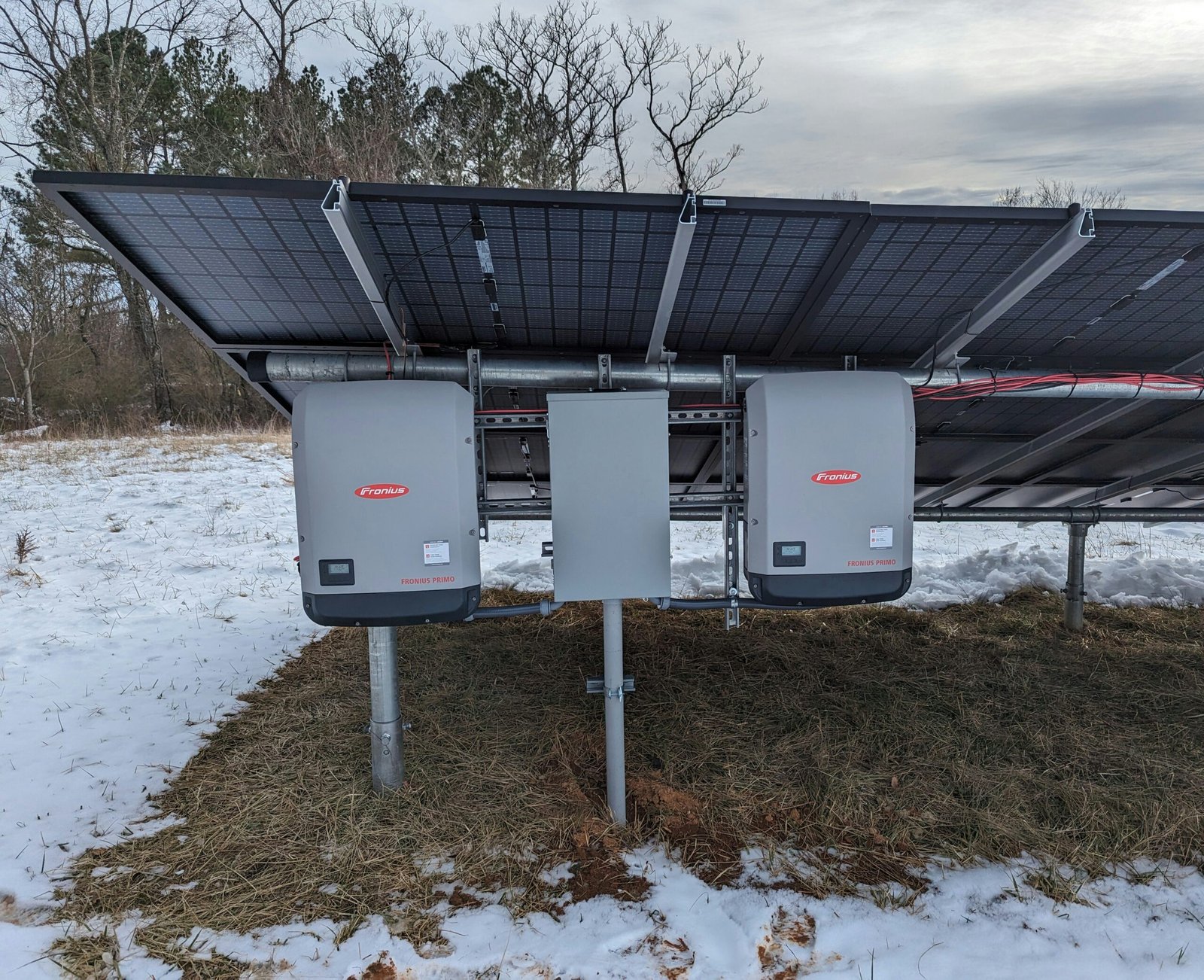
A solar inverter converts DC (direct current) from solar panels into AC (alternating current) for home and industrial use. In 2025, inverters are no longer just converters; they are smart energy managers that:
- Monitor energy production.
- Store extra power in batteries.
- Sell unused electricity back to the grid.
- Increase overall solar system efficiency.
Without advanced inverters, solar systems can’t perform at their best — which is why Solar Inverters 2025 are the backbone of the clean energy future.
🔥 Key Advancements in Solar Inverters 2025
| Feature | Traditional Inverters | Solar Inverters 2025 |
|---|---|---|
| Efficiency | 92–95% | 98–99% |
| Monitoring | Manual | AI & IoT Smart Apps |
| Battery Storage | Limited | Hybrid + Backup |
| Grid Connection | One-way | Bi-directional (Sell Power) |
| Cost | Expensive | Affordable by 2025 |
1. Smarter Inverter Technology
- AI-powered real-time monitoring.
- IoT apps for remote control.
- Predictive maintenance (auto-detect problems).
2. Higher Efficiency
- Jump from 95% → 99% efficiency.
- More electricity from the same panels.
3. Hybrid Systems with Battery Storage
- Store extra energy in solar batteries.
- Provide backup during blackouts.
- Make homes/businesses energy independent.
4. Cost Reduction
- Manufacturing costs dropping in 2025.
- Solar Inverters becoming affordable worldwide.
5. Smart Grid Connectivity
- Bi-directional electricity flow.
- Sell unused solar energy to the grid.
- Helps prevent blackouts.
🌍 Global Market Trends in 2025
- The global solar inverter market is projected to reach $20 Billion by 2025.
- Countries leading adoption: USA, China, India, Germany.
- Growth drivers:
✅ Rising electricity bills
✅ EV (Electric Vehicle) charging demand
✅ Green energy government policies
✅ Benefits of Solar Inverters 2025
- Save up to 30–40% more electricity.
- Reduce electric bills drastically.
- Monitor & control via smartphone apps.
- Increase property value with solar setup.
- Eco-friendly & carbon-free future.
⚠️ Challenges for Solar Inverters 2025
- Compatibility with older panels.
- Cybersecurity issues in smart inverters.
- High demand → supply shortages.
- Policy changes in solar subsidies.
📊 Statistics & Predictions
- By 2025, 40% of households in developed countries will use smart solar inverters.
- Hybrid inverter sales will grow by 60% globally.
- Solar + Storage systems will reduce dependency on fossil fuels by 25%.
❓ Frequently Asked Questions (FAQ)
Q1: What makes Solar Inverters 2025 different?
👉 They are AI-driven, more efficient, affordable, and battery-ready.
Q2: Are Solar Inverters 2025 affordable for homes?
👉 Yes! Costs are expected to fall by 20–30% in 2025.
Q3: Can Solar Inverters 2025 work during power outages?
👉 Yes, hybrid models with battery backup provide electricity even in blackouts.
Q4: Which countries will lead Solar Inverter adoption in 2025?
👉 USA, China, India, and Germany will dominate global markets.
Q5: Should I upgrade my old inverter to a 2025 model?
👉 If you want higher efficiency & smart features, upgrading is the best choice.
🎯 Conclusion
Solar Inverters 2025 are not just devices — they are smart energy managers that save money, provide backup power, and support green living. With 99% efficiency, AI features, and hybrid storage, solar inverters will lead the clean energy revolution in 2025.
Investing in solar today means a cheaper, smarter, and sustainable tomorrow. 🌞⚡