Introduction
Green energy and solar power are transforming the way we generate and consume electricity in 2025. With climate change concerns and rising energy costs, governments and businesses are focusing on renewable energy solutions to reduce carbon emissions and promote sustainability.
At SolarPanelStores.com, we provide readers with actionable insights on how to implement solar energy and green technology effectively. Unlike other websites that only list benefits, we explain step-by-step solutions, practical applications, and cost-saving strategies to maximize energy efficiency.
Why Green Energy Matters in 2025
- Environmental Impact: Reduces greenhouse gas emissions and dependency on fossil fuels.
- Cost Efficiency: Solar power and renewable energy reduce electricity bills significantly.
- Energy Independence: Homes and businesses generate their own energy, reducing reliance on the grid.
- Government Incentives: Tax credits, rebates, and subsidies make green energy adoption affordable.
Top Green Energy Sources
- Solar Power
- Photovoltaic panels convert sunlight into electricity.
- Solar thermal systems provide hot water and heating solutions.
- Wind Energy
- Small-scale wind turbines for homes and businesses.
- Large-scale wind farms for community energy solutions.
- Hydropower
- Micro-hydro solutions for remote areas.
- Sustainable energy with minimal environmental footprint.
- Biomass & Bioenergy
- Organic waste converted into electricity or fuel.
- Reduces landfill waste while producing energy.
- Geothermal Energy
- Heating and cooling systems powered by Earth’s natural heat.
- Sustainable for residential and commercial applications.
Solar Power in 2025: Innovations and Trends
- High-Efficiency Panels: Panels with 25%+ efficiency for residential and commercial use.
- Solar Battery Storage: Store excess energy for night or cloudy days.
- Smart Solar Systems: IoT-enabled monitoring and optimization for maximum output.
- Affordable Solar Solutions: Government incentives make installation cost-effective.
Example: A home in California installed solar panels with battery storage in 2025. By leveraging federal tax credits and local rebates, the homeowner reduced energy bills by 50% and achieved energy independence.
Practical Applications for Homes
- Rooftop Solar Panels: Reduce electricity bills and carbon footprint.
- Solar Water Heaters: Efficient heating solution using solar energy.
- Smart Home Integration: IoT-enabled solar systems optimize energy consumption.
- Battery Storage: Ensures energy availability during peak hours and blackouts.
Green Energy for Businesses
- Commercial Solar Installations: Large-scale panels for offices and factories.
- Energy Management Systems: Monitor consumption and maximize efficiency.
- Sustainable Branding: Businesses adopting green energy attract eco-conscious customers.
- ROI Analysis: Long-term savings justify upfront costs, especially with government incentives.
Government Incentives and Subsidies
- Tax Credits: Federal and state tax reductions for solar energy projects.
- Rebates: Direct cash incentives for solar installations.
- Grants: Available for businesses and community energy projects.
- Net Metering Programs: Sell excess solar power back to the grid.
Challenges and Limitations
- Initial Investment: High upfront costs despite incentives.
- Technology Integration: Requires proper planning for IoT and battery storage.
- Regulatory Variations: Incentives and policies differ by state and country.
- Maintenance Needs: Solar panels and batteries require regular upkeep.
Future of Green Energy in 2025
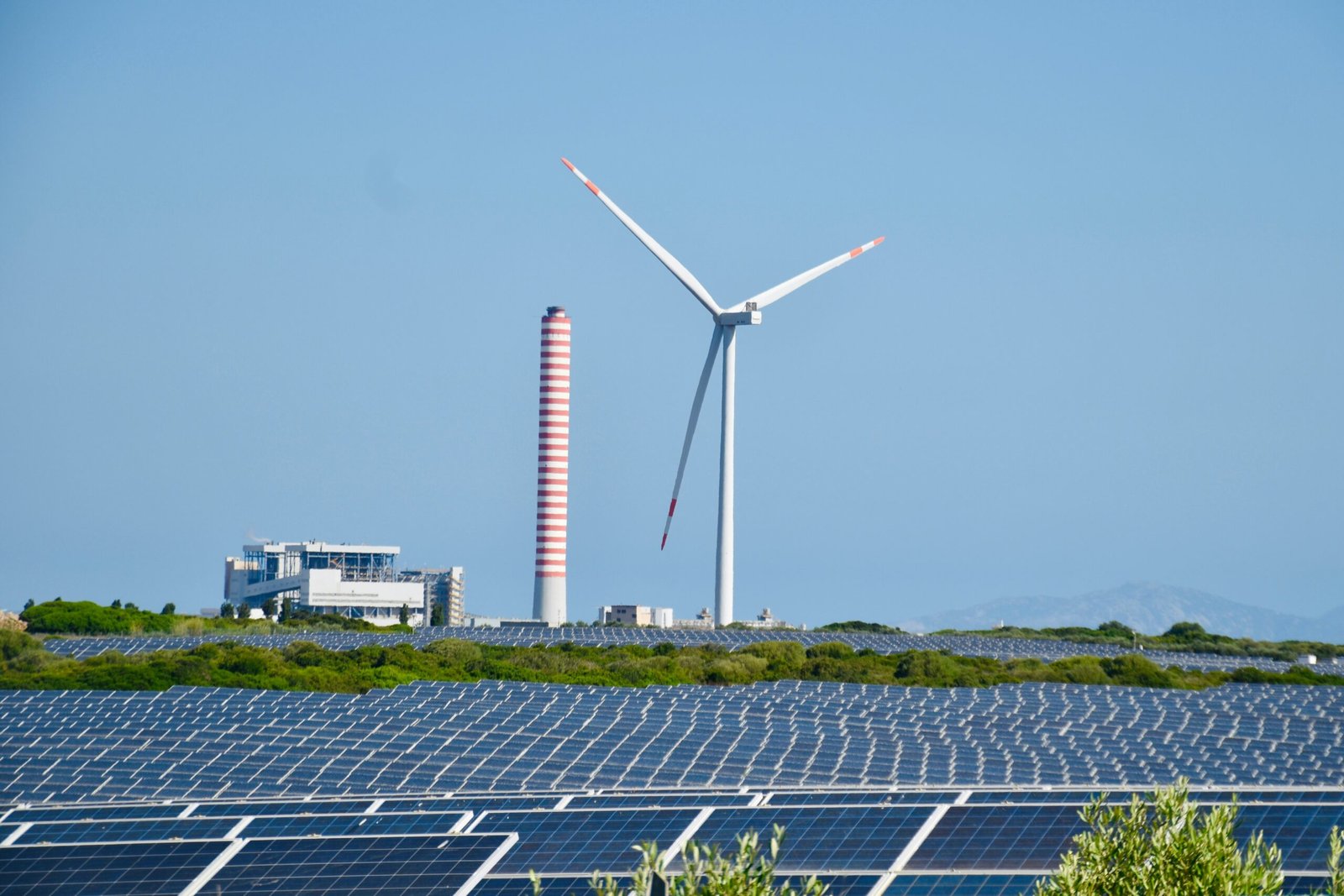
- Solar & Wind Hybrid Systems: Combining multiple sources for consistent energy.
- AI & Smart Grid Integration: Optimize energy distribution and storage.
- Global Policies for Sustainability: International efforts to achieve net-zero emissions.
- Next-Gen Solar Panels: Flexible, lightweight, and high-efficiency panels for all applications.
Practical Tips to Maximize Solar and Green Energy
- Plan Energy Needs: Analyze consumption to choose the right system size.
- Combine Incentives: Use multiple government programs for maximum savings.
- Monitor System Performance: IoT-enabled monitoring ensures efficiency.
- Invest in Battery Storage: Store excess energy for later use.
- Stay Updated: Policies, technology, and incentives change regularly; stay informed.
Conclusion
Green energy and solar power in 2025 provide sustainable, cost-effective, and environmentally friendly solutions for homes and businesses. By leveraging government incentives, advanced solar technology, and smart energy management, anyone can achieve energy independence, lower costs, and a reduced carbon footprint.
At SolarPanelStores.com, we provide actionable guides, comparisons, and tutorials to ensure that readers make informed, efficient, and eco-friendly energy choices. Whether adopting solar panels, battery storage, or hybrid green energy systems, 2025 is the year to go green and save money.